Live and Learn Farm

  • Home
    • About Us
    • Contact Us!
  • HomeSchool
    • All Inclusive
    • Apologia
    • Arts
    • Bible
    • Civics
    • Current Events
    • Curriculum
    • Elementary
    • Geography
    • History
    • Language Arts
    • Math
    • Middle School
    • Montessori
    • Other
    • Practical Life Skills
    • Science
    • Writing
  • Link Ups
    • Monday Middle & High School Link Up
  • Montessori
  • Teen Blogs
    • Gage – 13 Years Old
    • Chase – 14 Years Old
    • Blake – 10 Years Old
  • Shop
    • Cart
    • Checkout
    • My Account
  • Free!!!
  • Other Topics
    • Blogging
      • Facebook Series
    • Farmstead
      • Chickens
      • Cows
      • Permaculture Garden
    • Mom
You are here: Home / Archives for HomeSchool / Writing

The Ship’s Journey, a poem

July 19, 2013 By: Gage5 Comments

We are studying Paths of Exploration this summer.  We are in Columbus, Unit 1, Lesson 2.  As part of the enrichment study for this unit, my mom gave me the assignment of writing a poem about ships. So here is The Ship’s Journey, a poem I wrote for this assignment. I hope you like it! 
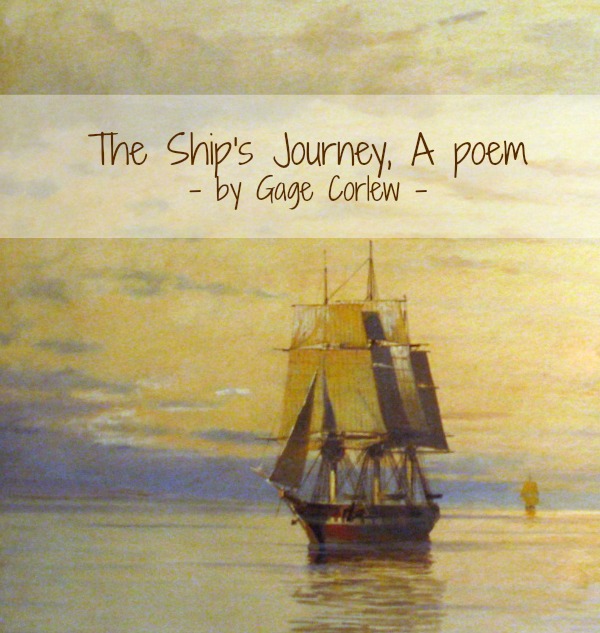
Cropped Sailing Ships (c.1886-1890) - Constantinos Volanakis

The Ship’s Journey By Gage Corlew


A ship at sea has a destiny,

whether It is to China or Italy.

A ship has no home,

it shall mostly roam.

From sea to sea they sail,

steering clear of strong gales.


A port sees many of these,

they sail in on the breeze.

Many travel to the Indies for trade,

of clothes from Persia, for emeralds or jade.

Many have dreamed of riches from the sea,

though very few find the mysterious key.


The ship’s sailors being so brave,

bob fearlessly on the waves.

And see so many beautiful views,

when out on a sunset cruise.

As the new day dawns,

They rise with stretches and yawns.


A boat at bay,

has a place to stay.

A ship at sea,

is almost completely free.

A ship at dock,

Will be still as a rock.


Many people who love the sea,

have a common silent plea…

of sailing away, 

for fun and adventures on the high sea!


If you like this post, please share it!

  • Share on Facebook (Opens in new window) Facebook
  • Share on Pinterest (Opens in new window) Pinterest
  • Share on X (Opens in new window) X
  • Print (Opens in new window) Print
  • More
  • Email a link to a friend (Opens in new window) Email
  • Share on Reddit (Opens in new window) Reddit
  • Share on LinkedIn (Opens in new window) LinkedIn
  • Share on Tumblr (Opens in new window) Tumblr

Like this:

Like Loading…

Paths of Exploration Columbus Lesson 1 Part 2

June 18, 2013 By: Trish Corlew2 Comments

Columbus Lesson 1 Part 2


Disclosure

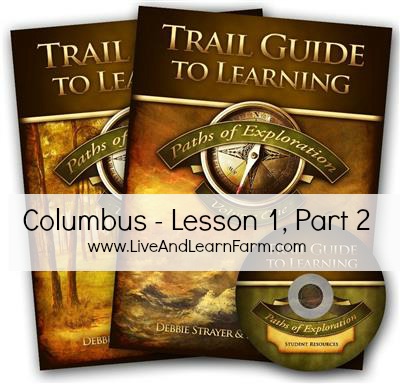
As you know we started Paths of Exploration by Trail Guide to Learning for our summer all-inclusive curriculum experiment.  As we have discussed many times, we homeschool with a very hands-on (Montessori-ish) approach to education, so we are using lots of  supplemental resources to augment this course.  Our plan is to do the entire Paths of Exploration as an intensive study over the summer and early fall!  This post is about Paths of Exploration Columbus Lesson 1 Part 2.  If you missed lesson 1, part 1, you can find it here. 

Section A:  Copywork/Dictation.  Focuses on “Language Skills and Thinking Skills”.  As in the Lesson 1, it is from the original poem, A Journey of Adventure, written by the late Debbie Strayer.  We are enjoying this work and we are finding more vocabulary words to add to our list.  We work on these vocabulary words between classes.  

Section B: Reader. Focuses on  “Language Skills” skills.  More reading from our required books. 

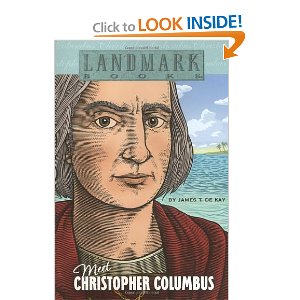
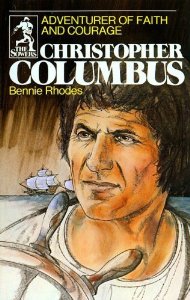
Section C: Read-Aloud and Narration. Focuses on “Language Skills and Thinking Skills”.  Today the boys had to retell specific passages of portions I read in their own words.  Again, There are two required reading books about Christopher Columbus. One is Meet Christopher Columbus and the other is Christopher Columbus.  

Meet Christopher Columbus
Christopher Columbus

Section D: Word Study. Focuses on “Spelling and Phonics”.  The words in Part 2 are the same vocabulary words in Part 1 and are too easy for even my nine year old. The boys “tested” (I asked them to spell each of these words individually and they all could) out of these and moved into more challenging words.  We did the new part of the section which provided the definition and you had to pick the word that best fit.  But, really it is still too easy.  Here are the words I added, if you would like to put some challenge in.  Unfortunately, they do not come from the reading… but we have used each of these words in our homeschool this past year.    

  1. frighten
  2. airtight
  3. birthright
  4. blight
  5. brighten
  6. delight
  7. enlighten
  8. insight
  9. knight
  10. nightfall
  11. plights
  12. weeknight

Another new part of Section D Word Study was to study the past tense of words. We were given words that we had to find the past tense from the read-aloud books from Section C.  This is still terribly basic, for middle schoolers especially.  Here is a hands-on work that could be used for a more advanced study of the tenses of verbs for the older students and a more well-rounded, hands-on lower elementary work can be found here.  We also did a study of the word “strange” and how it was used in the reading. The boys provided synonyms for the word according to how it was used in the different texts.  They all got it and used the word “strange” and its synonyms appropriately.  This section may end up being skipped altogether.  

Also in this section we discussed various cities and if they are situated on the Mediterranean Sea.  Again, I have no idea why this is in Section D when Section E is Geography.  But the boys absolutely love the geography aspect, so I’m not complaining!  

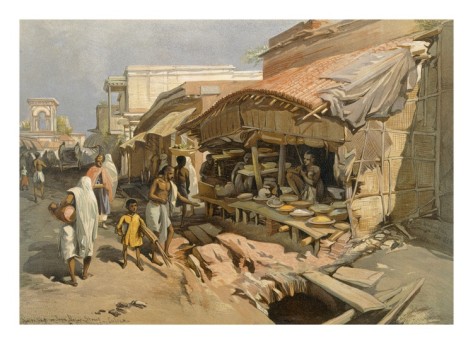
Section E:  Geography.  Focusing on “Thinking Skills”.  We studied what a bazaar is.  There are some discussion questions, but again, they are not terribly thought provoking.  We decided to take this section deeper.  We discussed what we might encounter at a middle eastern bazaar, the things you might see, hear, and smell.  We talked about the fact that they are usually open-air markets and what weather elements they might encounter and wondered aloud how they would protect the items they were selling… such as spices.  Speaking of spices, we wanted to experience what it might be like to walk into the spice tent at a bazaar.  Research shows the more senses you engage when learning new material, the more likely it will be remembered.  We made it a game, “Name that Spice Game“.  Be sure to check out that post.  It was fun (but there is a warning in that)!  

Native shop in a Calcutta Bazaar, 1867, William Simpson

Native shop in a Calcutta Bazaar, 1867, William Simpson

Section F:  Art. In this section we discussed how many of the items at a bazaar are handmade.  The text showed some rugs and discussed their patterns and where you might find them.  Then the boys were to draw their own.  This was fun.  We looked at many google images of African rugs!  They are so beautiful and vibrant!  

NA Rug 5
NA Rug 4
NA Rug 3
NA Rug 2
North African Rugs


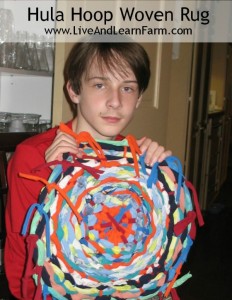
Hula Hoop Rug by ChaseBut, again, we like to take it deeper so we creating some of our woven products. We made a Hula Hoop Woven Rug!  You can find that post here.  We will be making an art hanging.  Be sure to check those posts out as well, I will come back and link them to this post as well.  

If you are looking for something a little less bulky, here is another weaving using a paper plate and yarn.  The blogger’s three year old daughter was able to do this one!  It is so precious!  


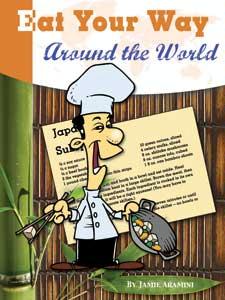
Eat Your Way around the WorldOne final piece of the Geography study that will always go over extremely well in my house is the cooking piece.  Remember Eat Your Way Around the World by Jamie Aramini is one of the required books.  We are to experiment with making dishes from Egypt and Morocco this week.  I will do another post or two about them!  
Section G:  Independent Reading.  As we discussed in Part 1, we modified this a bit so the boys will focus their reading on anything about Christopher Columbus for 30 minutes on Mondays, Wednesdays and Sundays. I wrote a post to share what our library resources are, you can find it here.  

Thoughts thus far… there seems to be a lot of inconsistency.  I expected the sections to stay the same throughout the Unit… they don’t. I’m not sure this is a big deal, but it is not what I would have expected.  Also, I don’t understand why there is a section called geography, but some geography work is listed in other sections. Again, it just makes it inconsistent and a bit confusing… but NOTHING that you can’t work around or overcome. Thus far I can say I’m pleased with this product.  We will continue to augment the lessons with a more hands-on approach, but I am pleased and am really liking the idea of an all-inclusive curriculum.  I’ll give you more detailed feedback as we get further into the curriculum… but I’ll sum it with “so far, so good”.  

I hope the additional hands-on lessons are a blessing to you and your children!  Please leave me a comment and let me know what you are thinking of this series… and if you decide to purchase it and use it… let me know!  I’ll be creating a blog roll for all of us with posts about Paths of Exploration sometime this summer!  

Until next time…


If you like this post, please share it!

  • Share on Facebook (Opens in new window) Facebook
  • Share on Pinterest (Opens in new window) Pinterest
  • Share on X (Opens in new window) X
  • Print (Opens in new window) Print
  • More
  • Email a link to a friend (Opens in new window) Email
  • Share on Reddit (Opens in new window) Reddit
  • Share on LinkedIn (Opens in new window) LinkedIn
  • Share on Tumblr (Opens in new window) Tumblr

Like this:

Like Loading…

Paths of Exploration Columbus Lesson 1 Part 1

June 11, 2013 By: Trish Corlew7 Comments

Columbus Study


Disclosure

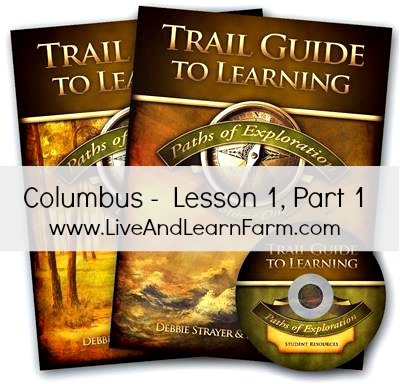
Launch Day!  We started Paths of Exploration by Trail Guide to Learning today!  As most of you know, we homeschool with a very hands-on (Montessori-ish) approach to education, so we are using lots of  supplemental resources to augment this course.  We are doing the entire Paths of Exploration as an intensive study over the summer, so there will be lots of territory covered in my posts!   As I post these articles, I will also be giving reviews of their product in a real-world, running review of this curriculum. This article is about Paths of Exploration Columbus Lesson 1 Part 1.


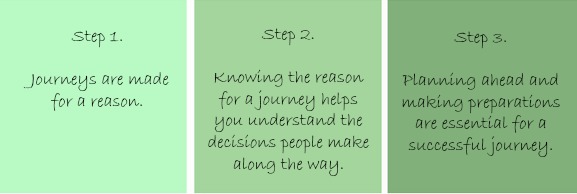
Steps for thinking


We decided to do the upper elementary section for all of Columbus first and then circle back and do the Middle School supplement curriculum after we finish Columbus Upper Elementary curriculum.  That way, all of the boys have the foundation that the Upper Elementary curriculum lays first before we jump into a more extensive Columbus Middle School study.  Besides, we are just figuring out the style of this curriculum and I’m already seeing areas that need to be refined and cleaned up! But we are going to do Columbus Unit pretty much as it is presented in both the Upper Elementary and the Middle School texts with a few minor modifications. After we have completed both texts, we may decide to modify our approach.   

Section A is Copywork/Dictation with “Language Skills” being the area mentioned as the target for this section.  I really thought I would skip this section before we started, but I decided to teach ColumbusHandwriting without Tears pretty much as it is presented and I am glad I did (at least for this section).  It is good for them to hear poetry and to try to transcribe it from my dictation. Any missed words become part of their vocabulary words for that week. It was fun and it is a great way for me to keep their handwriting skills up. All of the boys are excellent at writing (Thank you Handwriting without Tears!)… and yes, they learned how to write cursive!!  The dictation was from an original poem by Debbie Strayer (one of the authors).  

Section B is Reader with “Language Skills, Thinking Skills, and History” listed as the areas targeted by this work area. This is where everything was terribly mixed up!  There are two required reading books about Christopher Columbus. One is Meet Christopher Columbus Meet Christopher Columbusand the other is Christopher Columbus.  Since the names are so close, it would have been helpful if they explained which one to read from (maybe giving the author each time).  

Section C is Read-Aloud and Discussion and the targeted areas for this section are “Language Skills, Thinking Skills and Writing”.  I have no idea why there are two sections both with a focus on reading aloud.  This is why it was confusing.  In Section B it says “read one or two pages aloud” but in Section C it states “listen as your teacher reads pages 1-6 aloud”.  The boys JUST read pages 1-2 aloud and now I’m reading these same pages again? I thought maybe I had the boys read the wrong book aloud, but no, it’s the same book Christopher Columbus.  So, this was confusing.  We have two hard copies of both these books for us to use but I also purchased a Kindle version of Meet Christopher Columbus and the boys all downloaded it onto their Kindles for Christopher Columbustheir read aloud sections.  I had all three boys take turns reading paragraphs.  The Bennie Rhodes book was not available as a Kindle download.  Anyway, they really enjoyed being able to read it from their own Kindles (and even figured out how to have their kindles read to them… LOL)!  The discussion question was terribly basic for this age group (What do you think Christopher Columbus’ dream was when he was a young boy?”.  Both books we read aloud provided the answer.  If you were paying half a second of attention, you would have this question answered.  Maybe that was the point for the first Lesson, but the boys could have handled a much more thought-provoking question!  

Section D is Word Study. The areas focused on with this section are “Spelling, Phonics and Vocabulary”. For this one the authors discuss “long I” words from the original poem that were part of the copy/dictation work from Section A.  This was very basic also for upper elementary students.  We did it but we will augment the next lesson to add more challenging words!  There was also a discussion here about the prefix “un” and how it was used in the reading from Sections B and C.  They provide an area for the students to list 6 words that start with “un” and define them.  This was pretty fun for them, but still very basic. 

un equals not

globe

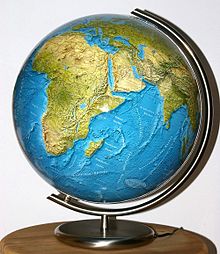
Also as part of Section D we located cities in Italy on the globe. We loved this part and the boys did great… just one thing, the next section (section E) is Geography.  Why did they put this under Section D, Word Study?  I have to assume it was a mistake.  They also had to identify port cities in the US after defining what a “port” is.  With the help of the globe, they listed out several from both coasts.  That was a fun activity as well.  

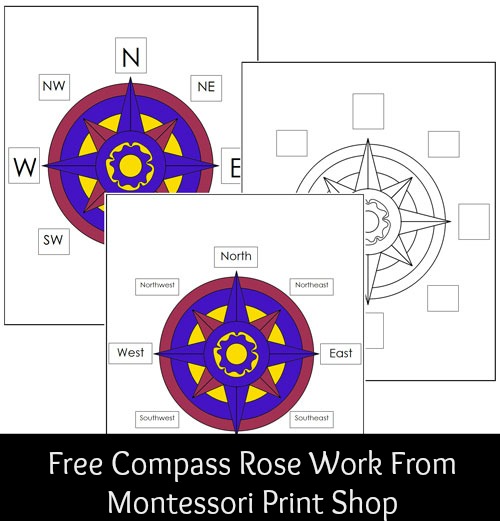
Like I just mentioned, Section E is Geography with the area targeted being listed as “Science”.  Here we are learning about a compass.  We did the worksheets for the CompassRose-MPScompass but we also printed out this great compass work from Montessori Print Shop. Since we love hands-on learning, we decided to create our own compass. Here is that post.    

Section F is Writing with “Thinking Skills” being listed as the area being targeted. The boys were to list the details of Columbus’ birthday as described in the text.  Then list the details from a typical birthday for them.  In the student notebook is a Venn diagram where they would list the individual traits for each and the common traits.  Great exercise!  

Finally, Section G is Independent Reading.  At the beginning of the provided student notebook is a reading list. The independent reading section is meant to be just thirty minutes of fun reading. However, this is exactly what they do every night already, so we have modified this a little bit so they can read anything about Christopher Columbus for thirty minutes on Wednesdays and Sundays. We have quite a few Columbus books in our library from coloring books and picture books to exhaustive studies … so they should not run out of material to read for a while. I wrote a post to share our library resources, you can find it here.  One other modification I have made is I added in an art component.  All of my boys took Drawing this past year as an elective, so on Tuesdays and Thursdays, they are going to spend thirty minutes each day drawing something that is applicable to the subject we are studying.  They do not have to complete their drawings the same day or even the same week. I can’t wait to see what they come up with!  

We are year-round homeschoolers, however most of the curriculum the boys were working on during the year they have completed.  So this curriculum is a great way to keep many of the skills the boys have acquired over the year fresh and to dive into a new subject.  In addition to this curriculum, the boys are keeping their math going all year.  So their workload is dramatically reduced during the summer.  I know some may be wondering why we do this.  Well, we quickly realized after that first summer off from homeschooling that it was quite hard to get back into the routine.  We decided (with the boys) that we would have a dramatically reduced schedule, but would keep going during the summer months.  For me, this curriculum is an experiment.  I have been toying with the idea of using an all-inclusive curriculum for a couple of years;  one where all the subjects (with the exception of Science and Math) are covered and are integrated.  This curriculum may or may not be the right one for an all-inclusive, but this was a great one to test the concept with.  I’ll give you more feedback on that as we work through this curriculum.  I hope these posts will be a blessing to you and your family!  If so, leave me a note!  

Until next time…. 

We are connecting this week with the Ultimate Homeschool Link-up.  Be sure to visit them and the other bloggers linked there, they all have GREAT posts!  I especially love the Firefly one!

 The Homeschool Village

If you like this post, please share it!

  • Share on Facebook (Opens in new window) Facebook
  • Share on Pinterest (Opens in new window) Pinterest
  • Share on X (Opens in new window) X
  • Print (Opens in new window) Print
  • More
  • Email a link to a friend (Opens in new window) Email
  • Share on Reddit (Opens in new window) Reddit
  • Share on LinkedIn (Opens in new window) LinkedIn
  • Share on Tumblr (Opens in new window) Tumblr

Like this:

Like Loading…

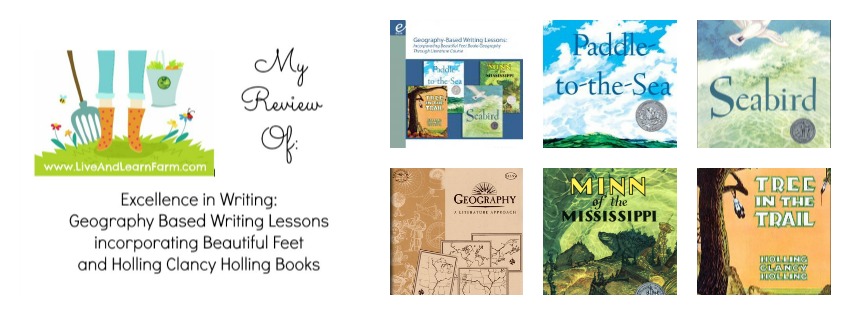
Review of Excellence in Writing Geography-Based Writing Lessons

May 1, 2013 By: Trish Corlew9 Comments

My review of

Disclosure

We are about to wrap up the 2012-2013 school year.  That means it is time for me to assess what is working and not working in our homeschool and to do some reviews on the curriculum we used.  So, this is the first of many reviews coming!  Let me start by saying, this is not a paid or sponsored review. I will be doing reviews in the future on products that were given to me in return for my honest opinion, but this review of Excellence in Writing Geography Based Writing Lesson is strictly just me speaking from my own opinion and experience on a curriculum I purchased.  

I had been hunting a writing curriculum for a couple of years and we’ve experimented with a few that were pretty lackluster (I’ll write reviews on them later)!  I had been hearing great things about Excellence in Writing (IEW) for years but, I’ll be honest, I was too intimidated to try it!  It took me three years of homeschooling experience under my belt to build up the fortitude to try IEW.  Even then, I tip-toed into the IEW waters with their Geography based writing lesson using Beautiful Feet for Geography and a few of Holling Clancy Holling’s books.  

Foundation for the review, our Homeschool Environment:

I think it matters the ages and gender of the children that were taught the material.  So, my experience and opinion is based on the success with my boys, ages 13, 11, and 9 years old.  Since this curriculum is recommended for children in Grades 3 – 7, it is the exact range of my children!  

We had not read these wonderful books by Holling Clancy Holling, so even without the IEW curriculum, these were such a treat in and of themselves!  The boys loved them!!  They would read the homework assignments and would regularly read ahead and usually go ahead and finish the book in the first sitting.  This was fine because we also read the books out loud in class and these readings were inline with the homework as it was assigned.  We did Literature/Writing one day a week for three hours a day, plus homework.  They probably spent no more than five hours a week on this topic.  

IEW Geography Review:

I will give you details about the first book we read Paddle to the Sea in this curriculum and provide details step by step of what we did.  The first lesson in Paddle to the Sea was using keywords to outline various texts from the book.  Once they had created outlines of the keywords, they then had to paraphrase the paragraph back using one of their brothers’ notes!  This was so much fun for the boys to figure out how to identify the key words in a text and they loved creating  symbols instead of words to get to the most basic outline possible!  We quickly realized there is an art to using symbols to understand and relate back the text.  You can find some common note-taking symbols online by doing a simple google search but I challenge you to go further.  It will make it so much more fun for your children!  

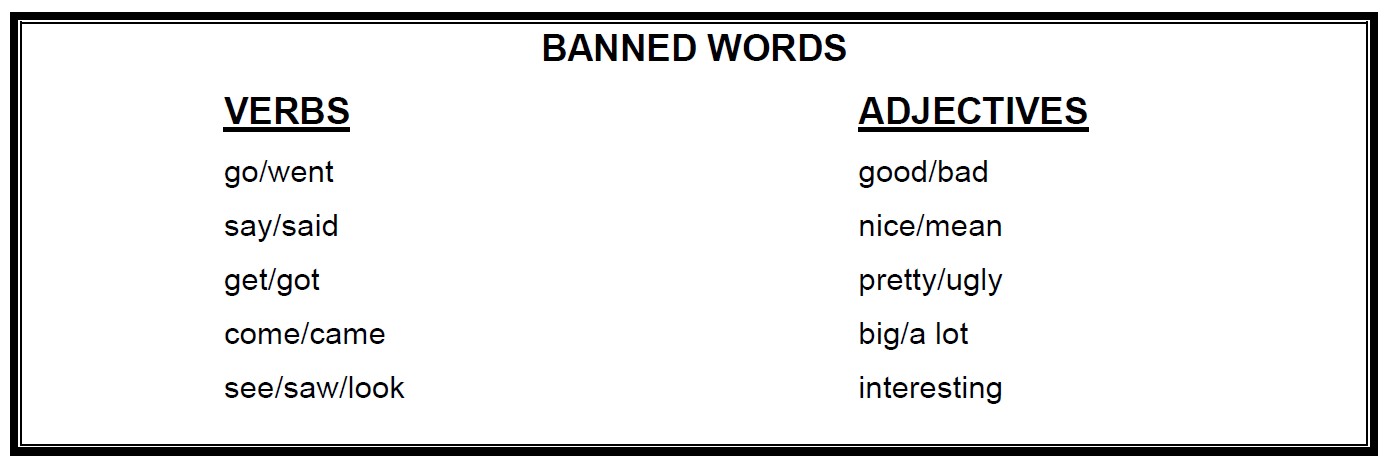
In Lesson Two, we learned all about the “Banned Word List”.  This was another extremely fun activity for the boys.  They had to figure out words to use instead of the common words listed on the banned word list.  Here are the banned words that could not be used when reporting on Paddle to the Sea (and the rest of the books from here on out):

IEW Banned Words  

They took great pleasure in catching each other using one of the banned words!  The IEW PDF download provides a form for these banned words and ideas of words we could use to replace them.  

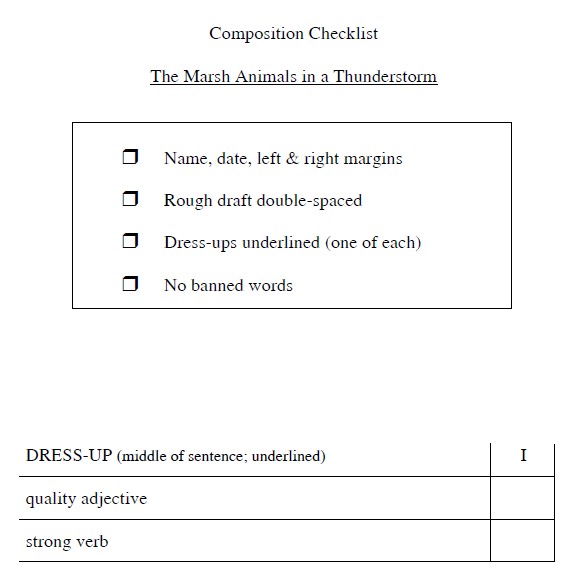
IEW Composition Checklist

Lesson Three is writing from notes.  The boys wrote a one paragraph report on the Marsh Animals in a Thunderstorm.  They started with a keyword outline summarizing the text they read.  They then were assigned a one paragraph report based on the keyword outline.  They used this checklist which is part of the IEW Geography Course.   

In Lesson Four, the boys are introduced to “Dress ups”.  The first set are the quality adjectives and strong verbs.  This concept is practiced through Lesson Five.  In Lesson Six the boys were introduced to the next dress-up which was -ly words.  Of course, “ly” words are adverbs, so they are adding adverbs into their writing now.  

We have now reached Lesson Eight in our review and we are at the climax of the Paddle to the Sea.  So you can see, it has a nice progression of stepping into the writing assignments and giving our children lots of time to get comfortable with the material before moving on to the next concept.  

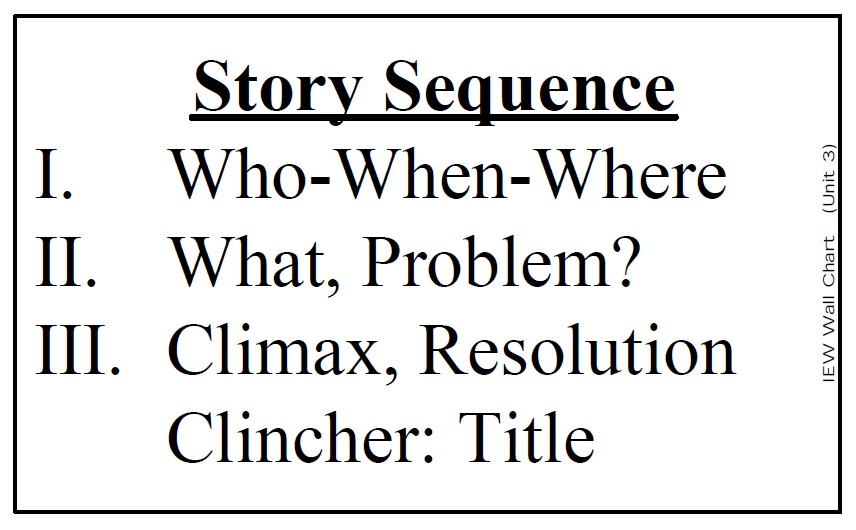
IEW Story Sequence Chart

Now, in Lesson Eight, we move into the first big writing assignment, a three paragraph report.  We are provided with a Story Sequence Chart that guides students to outline the sections of the story so they can write their own version.  The IEW manual provides several questions for each section and actually provides the story sequence outline for two different sections to give students help in starting this critical piece of the lesson and the final one introduced in Paddle to the Sea.  

With each book after Paddle to the Sea, IEW added more Dress-ups and more ways for the boys to express themselves in more complex ways.  The other three books that are read as part of this curriculum are:

  • Tree in the Trail
  • Minn of the Mississippi
  • Seabird 

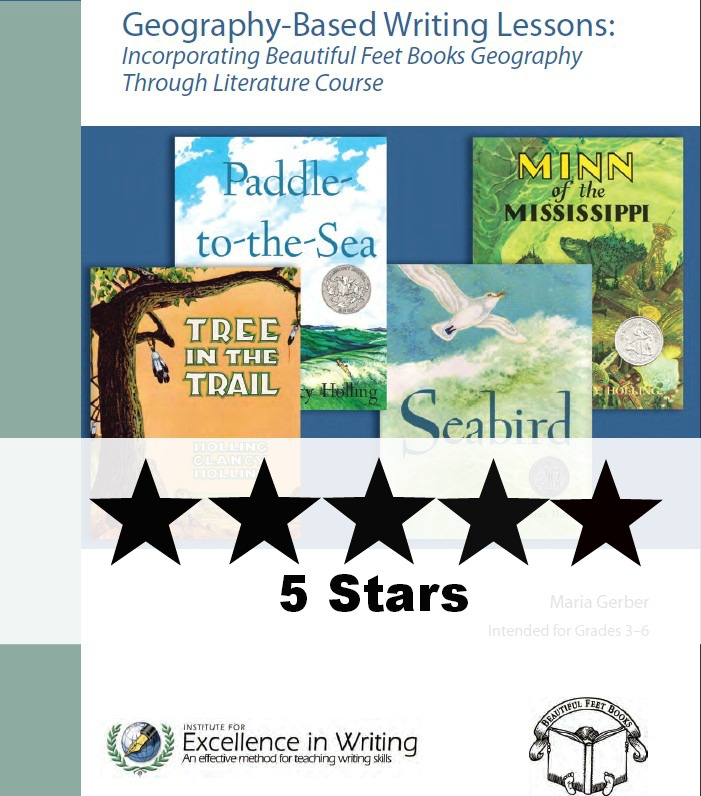
We LOVED this curriculum!!!  I honestly cannot say enough good things about it.  It gets the highest rating on my scale, a 5 star!  I highly recommend Excellence in Writing period!  They have a yahoo group for questions you may have and the moderators usually answer the questions that day (if not within a few hours)!  They also have a yahoo group for used curriculum.  They do not penalize you or make it difficult for you to purchase their products used.  I can tell you though, they have an unconditional, no time limit, FULL GUARANTEE on their products.  If you teach it and don’t like it, you can return for a full refund! (NOTE that only applies if you buy it directly from them).  They stand behind their products!  

Oh, did I mention that this curriculum was such a huge hit in my house that it has inspired my 13 year old son to write a book (unprompted by mom)!  Yep,  I’m sold, it receives 5 Stars from this happy homeschool Momma for sure!


IEW Geography 5 stars


A couple of final thoughts about when I purchased this curriculum:

  • I WISH I had not been so intimidated by this curriculum and would have just purchased it earlier!  There is so much value in this curriculum that my boys could have been using earlier!  
  • I started with Geography instead of purchasing their core and foundational product Teaching Writing: Structure and Style (TWSS).  I really wanted to get to know the product before I invested a significant amount of money in it.  Once I purchased Geography, it clearly stated in the instructions that TWSS was a pre-requisite, but I still didn’t listen.  By lesson eight, I was regretting not having TWSS and so I bought it then.  I had to reference that curriculum multiple times and watched several parts of the DVDs.  I used it as a resource through out this year’s Geography curriculum, but TWSS is what I am teaching for the first half of 2013 – 2014 and Student Writing Intensive Group A (SWI-A) for the second half of 2013-2014.  

If you have any questions, feel free to ask!  

Until Next Time…. 


If you like this post, please share it!

  • Share on Facebook (Opens in new window) Facebook
  • Share on Pinterest (Opens in new window) Pinterest
  • Share on X (Opens in new window) X
  • Print (Opens in new window) Print
  • More
  • Email a link to a friend (Opens in new window) Email
  • Share on Reddit (Opens in new window) Reddit
  • Share on LinkedIn (Opens in new window) LinkedIn
  • Share on Tumblr (Opens in new window) Tumblr

Like this:

Like Loading…

Kids on Location

April 30, 2013 By: Trish Corlewcomment

Kids on Location

I’ve been brainstorming ideas for our homeschool on what we can do to keep the momentum going through the summer.  And I’ve come up with some ideas my children were ecstatic about!  I want to share these ideas with you and hope that not only will you like the ideas, but that you and your children will participate too!!  So here goes… We have created a page on our blog called “Kids On Location”.  We are going to create a Thursday linky party for posts about the children going on location, like a news broadcaster when they are reporting live on location.  

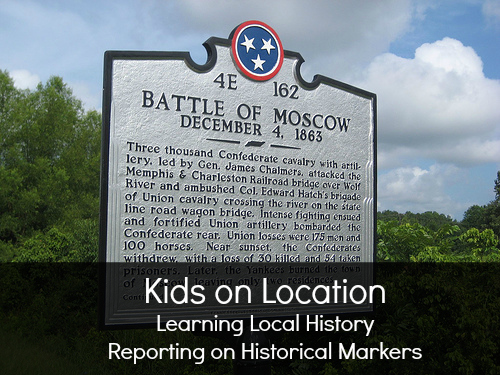
Historical MarkersThe First Idea:  Learning about our local history via Historical Markers.  I don’t know about y’all, but I’m a transplant to this area and I don’t know much about our own local history.  Every couple of weeks, the boys and I will identify our closest historical markers and we will spend an afternoon driving to these markers. You can find your neighborhood historical markers at this national database.  Thank you Jimmie Lanley for posting this link on your Google plus Account, it really got me brainstorming, as you see 🙂   The boys will photograph the markers and the item the marker is describing (if applicable).  They will note the location, the roads (and closest cross roads), the closest towns, the GPS coordinates, etc.  Then each child will pick one historic marker to research and write a news report on for the week. Here is a Historic Marker Form with Prompts  to help our budding reporters develop ideas on how to report on the markers.  Your children might even decide they want to return to the location and give their news report about the Historic Marker via video!  I know some children would love being in front of the camera and others would love to be behind the camera. 

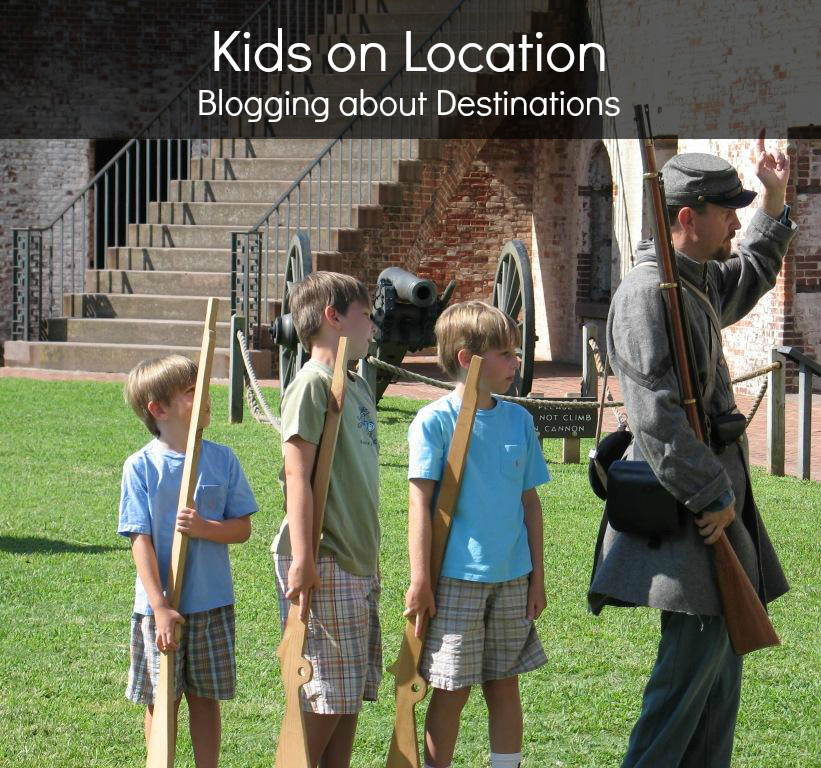
Kids on LocationThe Second Idea:  When we go on field trips, family outings and vacations this summer, have our children report about these destinations. Here is a Kids on Location form that will provide some prompts to help get them started.   And just like before, the children might enjoy doing a recording of them “on location”.  I think this would certainly be considered public speaking training … don’t you?  


Okay, so here is the most unusual aspect of this whole idea:

Teen BloggersLet’s give our children “guest blogger” status on our blogs for the summer and let them do the reporting on this project!  They will upload their own reports to Kids on Location (via the Thursday linky).  You will still have complete control over the publication because guest bloggers’ articles must be approved before they are published.  I am already doing this with my eleven year old son.  Gage has started blogging about his chicken business, Deluxe Clucks.  I cannot even begin to tell you all the positives I’m seeing.  He is WRITING!!!  Hallelujah!  Not only is he writing but he loves it and he loves blogging!  Now, think about it… even if your child only creates one report a week, that is the equivalent of one research project … but without having to pull teeth, without any arguing AND it’s continues the momentum through the summer!  There are so many other positive aspects I’m seeing that I could share but, just imagine for a second….  Your child excited and motivated about writing!  My boys have been doing the IEW / Beautiful Feet Geography Curriculum and writing about Holling Clancy Holling’s books and they have been loving it. But this is really the next level.  Our children imitate us and they certainly see us blogging… so this would give them some real world experience and isn’t that what our homeschools are to be… training for the “real world”?   I think this entire project could really inspire our children and they would have fun at the same time!  If my children were any indication, I think your children will be excited to do this!  

Finally, we will feature a few reports each week that you, the readers, choose.  The Linky will have a “like” button for each link and our readers get to decide who will be featured each week by who gets the most likes.  We have created a button for both the linky and the featured reporter… what do you think of them?

Kids on Location Linky Button


Kids on Location Reporter Button


I am really anxious to hear your feedback!  Please share with me your thoughts, concerns, and ideas!  And then tell me you are in!  I’m hoping we can start the linky party maybe the middle of May?  Does that work for everyone?  


If you like this post, please share it!

  • Share on Facebook (Opens in new window) Facebook
  • Share on Pinterest (Opens in new window) Pinterest
  • Share on X (Opens in new window) X
  • Print (Opens in new window) Print
  • More
  • Email a link to a friend (Opens in new window) Email
  • Share on Reddit (Opens in new window) Reddit
  • Share on LinkedIn (Opens in new window) LinkedIn
  • Share on Tumblr (Opens in new window) Tumblr

Like this:

Like Loading…

2012-2013 Homeschool Curriculum

February 28, 2013 By: Trish Corlewcomment


We have homeschooled now for four years.  This is our 2012-2013 Homeschool Curriculum.  Prior to homeschooling, our boys attended a small local private Montessori school, where I was on the board for the school. Our boys have reached the point of thinking and working abstractly, so most of the Montessori materials are no longer used in our curriculum. So what do we now?  Come & see!!

I am very thankful that we stumbled blindly into a Montessori school! It has been a complete blessing to our family and continues to be … it is how we approach learning, education and life in general. So, although we have very traditional homeschool material now, our approach is still firmly grounded in the Montessori pedagogy.


#1 (oldest son) 7th Grade:

Exercises in English G
Grammar / English: Loyola Press Exercises in English G
Writing:IEW / Beautiful Feet Geography Study
IEW Beutiful Feet Geography Literature
Literature: GA Henty Books (Cat of Bubastes) and Jim Hodges Study GuideCat of Bubastes
Spelling: All About Spelling 3-5All About Spelling 3
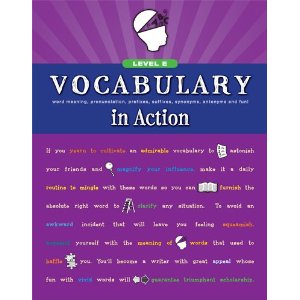
Vocabulary: Loyola Press Vocabulary in Action GVocabulary in Action G
 
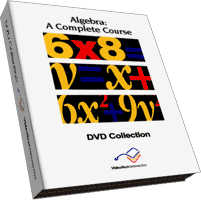
Algebra: Video Text Algebra II (CLEP when complete!)VideoText Algebra
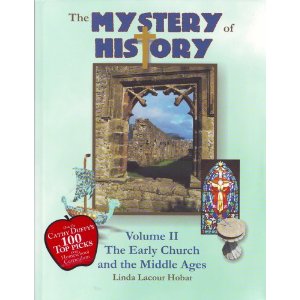
World History / Geography: Mystery of History IIMOH 2
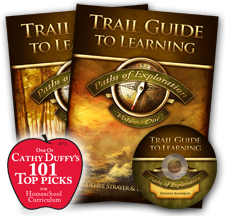
American History / Geography: Paths of Exploration /Trail Guide to LearningPOE TGTL
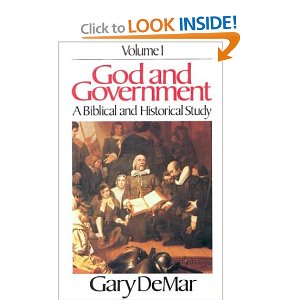
Civics: God and Government Volume 1God and Government 1
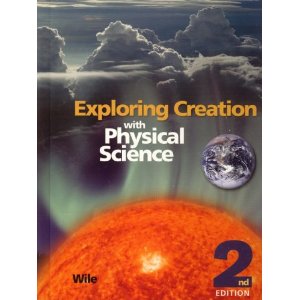
Science: Apologia Physical ScienceApologia Physical Science
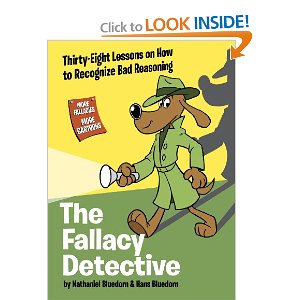
Logic: Fallacy DetectiveFallacy Detective
Foreign Language: Croghan Language Academy SpanishCroghan Language Academy
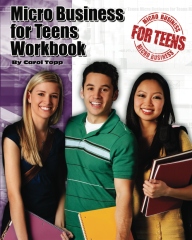
Economics: Starting a Micro Business for Teensmicrobus-workbk
Physical Education: Soccer, Karate
Scripture Studies: Torah, Writings, Prophets, NT
Electives: Art, PhotographyVirtual homeschool group name


(Middle Son) 6th Grade:

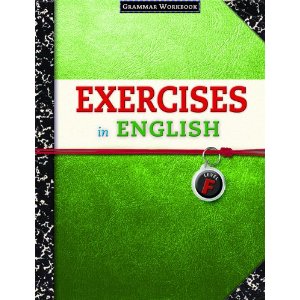
Grammar / English: Loyola Press Exercises in English FExercises in English F
Writing:IEW / Beautiful Feet Geography Study
IEW Beutiful Feet Geography Literature
Literature: GA Henty Books (Cat of Bubastes) and Jim Hodges Study Guide Cat of Bubastes
Spelling: All About Spelling 3-5All About Spelling 3
Vocabulary: Loyola Press Vocabulary in Action EVocabulary in Action E
Creative Writing: IEW / Beautiful Feet Geography Study
Algebra: Video Text Algebra I (CLEP when completes II!)VideoText Algebra
World History / Geography: Mystery of History IIMOH 2
American History / Geography: Paths of Exploration /Trail Guide to LearningPOE TGTL
Civics: God and Government Volume 1God and Government 1
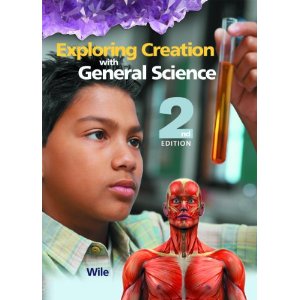
Science: Apologia General ScienceGeneral Science
Logic: Fallacy DetectiveFallacy Detective
Foreign Language: Croghan Language Academy SpanishCroghan Language Academy
Economics: Starting a Micro Business for Teensmicrobus-workbk
Physical Education: Soccer, Karate
Scripture Studies: Torah, Writings, Prophets, NT
Electives: Art, PhotographyVirtual homeschool group name


#3 (Youngest Son) 3rd Grade

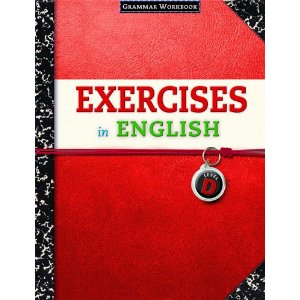
Grammar / English: Loyola Press Exercises in English DExercises in English D
Writing:IEW / Beautiful Feet Geography Study
IEW Beutiful Feet Geography Literature
Literature: GA Henty Books (Cat of Bubastes) and Jim Hodges Study GuideCat of Bubastes
Spelling: All About Spelling 3-5All About Spelling 3
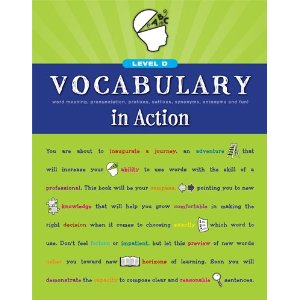
Vocabulary: Loyola Press Vocabulary in Action DVocabulary in Action D
Creative Writing: IEW / Beautiful Feet Geography Study
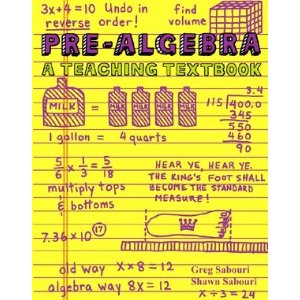
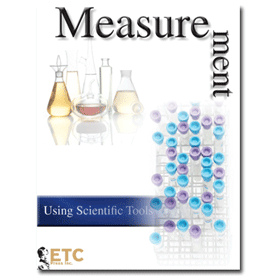
Teaching Textbooks Pre-AlgebraTeaching Textbooks Pre Algebra Montessori Measurement (EDUTC)Edutc Measurement    Montessori Area and Volume from Houston Montessori Center
World History / Geography: Mystery of History IIMOH 2
American History / Geography: Paths of Exploration /Trail Guide to LearningPOE TGTL
Science: Apologia Exploring Creation Zoology 3Exploring Creation Zoology 3
Logic: Fallacy DetectiveFallacy Detective
Foreign Language: Croghan Language Academy SpanishCroghan Language Academy
Economics: Starting a Micro Business for Teensmicrobus-workbk
Physical Education: Soccer, Karate
Scripture Studies: Torah, Writings, Prophets, NT
Electives: Art, PhotographyVirtual homeschool group name


Note:  Items above are linked to my Amazon affiliate account.  The very small amount of money that we make from our affiliation with Amazon is used to augment our curriculum needs.  Photos are shared from Amazon.

If you like this post, please share it!

  • Share on Facebook (Opens in new window) Facebook
  • Share on Pinterest (Opens in new window) Pinterest
  • Share on X (Opens in new window) X
  • Print (Opens in new window) Print
  • More
  • Email a link to a friend (Opens in new window) Email
  • Share on Reddit (Opens in new window) Reddit
  • Share on LinkedIn (Opens in new window) LinkedIn
  • Share on Tumblr (Opens in new window) Tumblr

Like this:

Like Loading…
« Previous Page
  • Pinterest
  • Facebook
  • Twitter
  • Google+
  • Sulia

Subscribe to our blog

Email

HHMTeamMember3-01

Winner-Top-Ten-BlogDesign10

Top Posts

  • But I Don't Want to be the Policeman!
    But I Don't Want to be the Policeman!
  • Hands-on Activity for Studying Globes and Maps
    Hands-on Activity for Studying Globes and Maps
  • Start a Home Economics Class in Your Homeschool
    Start a Home Economics Class in Your Homeschool
  • Brimwood Press Worldview Curriculum Review
    Brimwood Press Worldview Curriculum Review
  • nature journal post 2
    nature journal post 2

Affiliates / Sponsors

Give lynda.com

Shop Montessori Services

Newsletter Affiliate

We create and distribute our newsletter via MadMimi! It is SOOO easy to use! I highly recommend it!
Mad Mimi Email Marketing

Grab A Button

LiveAndLearnFarm.com Just select and copy the code below.
<a href="http://www.LiveAndLearnFarm.com" target="_blank"><img src="http://www.LiveAndLearnFarm.com/blog/wp-content/LiveLearnFarmButton.jpg" alt="LiveAndLearnFarm.com" width="125" height="125" /></a>

Copyright © 2026 · Modern Blogger Pro Theme By, Pretty Darn Cute Design

Loading Comments...

    %d